xCures CEO: the point of AI in care isn't fewer people, it's moving the people you have onto work that needs a person
October 17, 2026 · 4 items
xCures CEO: the point of AI in care isn't fewer people, it's moving the people you have onto work that needs a person
AI and Healthcare · October 15, 2026Practice operations
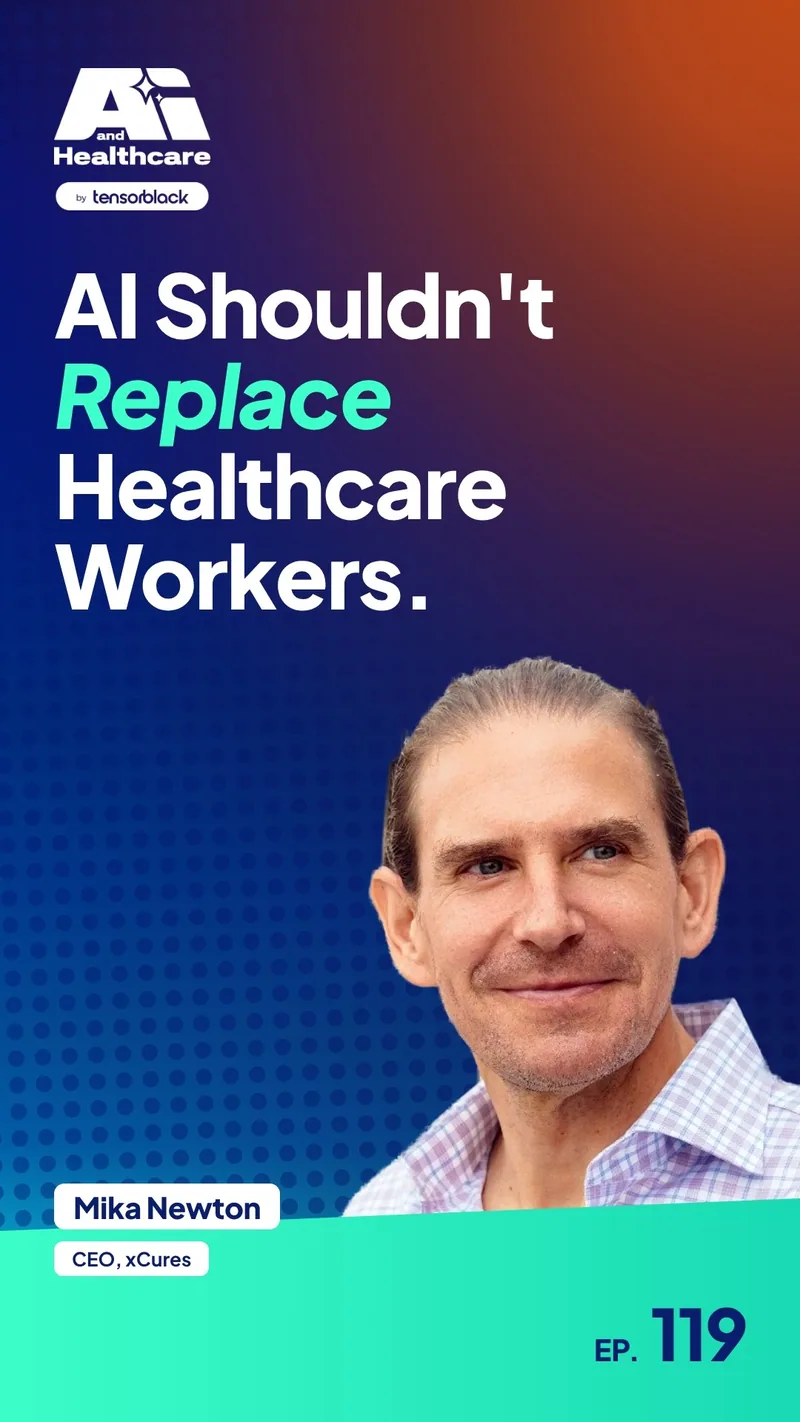
A short clip from Episode 119 of the AI and Healthcare podcast, hosted by Sanjay Juneja, MD and Doug Flora, MD, featuring Mika Newton, CEO of xCures.
Asked directly whether AI is meant to eliminate human labor in healthcare, Newton says no — the goal per the clip's description is to reprioritize where the labor goes.
The stated premise: the current system can't be sustained, and hiring isn't the escape hatch — we will not graduate enough oncologists or nurses, and we will not build enough hospitals.
Caveat worth naming: this is a Short and what's in hand is the creator's description, so treat it as the argument the segment makes, not as a studied finding.
Why it matters for an independent practice: This is the framing to hand your staff before you roll out any automation: name the tasks that genuinely need a human (the consult, the hard conversation, the hands-on procedure) and point AI at the rest. A practice that leads with 'AI replaces the front desk' loses the room; a practice that leads with 'AI buys us back time with patients' gets adoption.
Figma ships 'Specs' — a plain markdown file that tells AI agents what your brand is allowed to do
TechCrunch · October 14, 2026Buildable AI
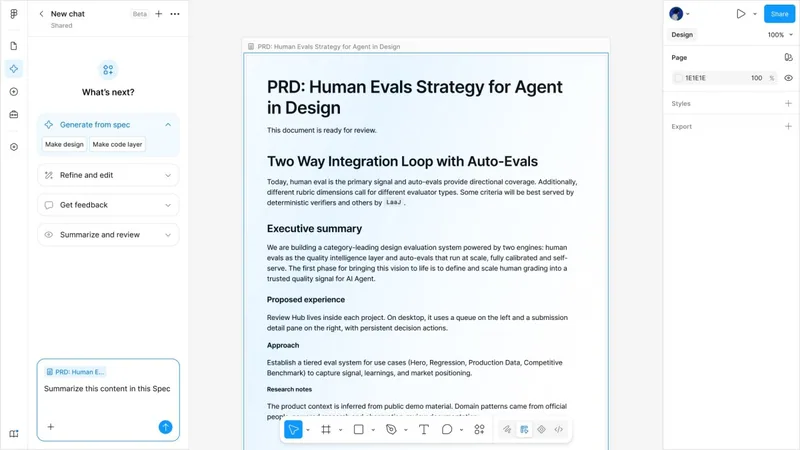
Figma Specs is a Markdown editor that lets a team define its design language in a simple document, announced at the company's first Config event in India.
The document is explicitly meant to serve as a reference for both teams and agents while designing in Figma — Figma's own agents and third-party ones — so output adheres to the brand's rules.
A Spec can live as a standalone file or inside the canvas, and can reference canvas elements and embed FigJam diagrams, code layers, and designs.
Figma also announced integration with the Payload headless CMS and is releasing its code layers feature in open beta.
Why it matters for an independent practice: The transferable idea costs nothing and isn't Figma-specific: write one markdown file that states your practice's voice, claim language, disclaimer requirements, and what a physician must review before anything goes live — then feed it to every AI tool that touches patient-facing content. That file is how you keep an agent from quietly inventing a claim your medical director would never sign.
Google Play will now run AI-built apps privately on your phone without ever listing them in the store
TechCrunch · October 13, 2026Buildable AI
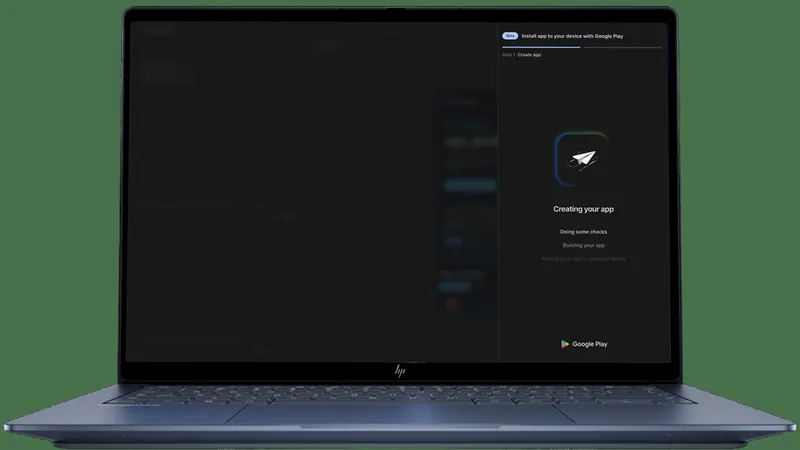
Announced Tuesday: users can launch their own personal apps on an Android device through Google Play using a standard Google account, with the app remaining completely private.
These personal apps won't appear in Google Play's search or listing pages and won't be shared with anyone except the app's creator.
TechCrunch frames the move as a response to more people vibe-coding small apps for specific, personal needs and then having no clean way to actually run them on their own device.
Why it matters for an independent practice: This is a real path to small internal tools — a room-turnover checklist, an intake triage form, a post-procedure follow-up prompt for the MA — built in an afternoon and installed on staff phones without a store listing or a vendor contract. Stewardship caveat first, though: 'private to the creator' is a distribution setting, not a HIPAA posture, so nothing with PHI goes into one of these until you know where the data is stored and who the business associate is.
AstraZeneca puts up to $1.5B behind insitro's AI platform for MASH and cardiomyopathy targets, right after a Phase 3 failure
BioSpace · October 15, 2026Practice operations
AstraZeneca is offering as much as $1.5 billion to work with AI-focused insitro on new medicines for metabolic dysfunction-associated steatohepatitis (MASH) and cardiomyopathies.
Per insitro's announcement Thursday: $40 million upfront, up to $1.46 billion in milestones, plus royalties later on.
The companies will hunt new drug targets using insitro's Virtual Human AI platform, which aims to identify causal disease biology; AstraZeneca then advances candidates through development.
The deal follows the Phase 3 failure of AstraZeneca's Ionis-partnered Wainua in transthyretin-mediated amyloid cardiomyopathy.
Why it matters for an independent practice: Cardiometabolic and MASH questions walk into longevity and regen-med consults every week, and patients read these headlines. The honest line to give them — and the one worth writing on your site — is that a $1.5B AI discovery deal buys targets, not therapies: the money moved precisely because a Phase 3 just failed. Being the physician who explains that distinction is a trust asset; being the clinic that markets off the hype is not.