Signal is blocking screenshots on iOS and Android because OS-level AI agents can now read anything on screen
November 23, 2026 · 3 items
Signal is blocking screenshots on iOS and Android because OS-level AI agents can now read anything on screen
TechCrunch · November 21, 2026Buildable AI
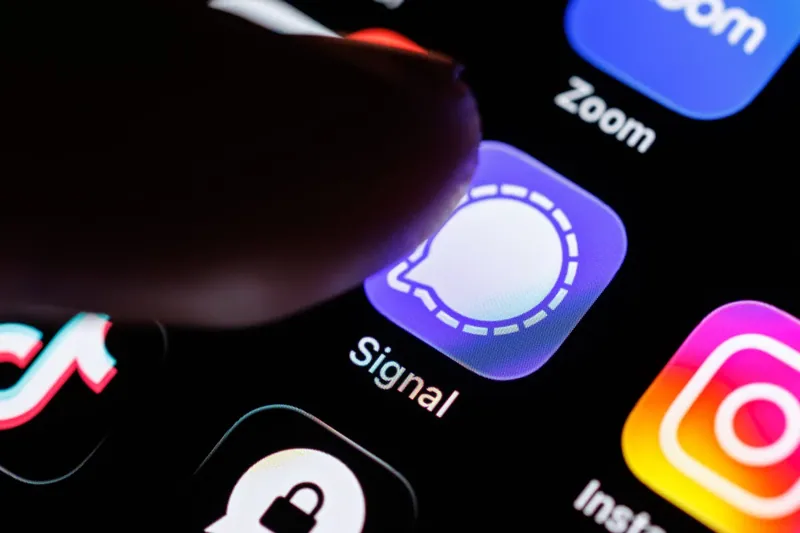
Signal announced Friday that it is limiting users' ability to take screenshots inside its Android and iOS apps, extending a restriction it already applied by default to its Windows app.
President Meredith Whittaker called operating systems that integrate agentic AI an "existential threat," writing that by letting AI agents "scan" what is on a user's screen, Windows, Android and macOS/iOS "are undermining Signal's ability to independently guarantee privacy."
Her specific objection is where the data lands: "your sensitive data is being captured, stored, and made accessible to whatever local database or remote server an OS-level AI agent is using at that moment… All of this is outside of Signal's control once the data has been captured."
Users can turn the restriction off, which Whittaker said would "break our privacy guarantees," and she conceded the fix is "incomplete" — it does not address "other more sneaky ways AI agents could potentially access application data."
Why it matters for an independent practice: If a messaging app with Signal's engineering can't keep an OS-level agent out of its own window, neither can your EHR or your patient-messaging portal. The practical move this week: inventory which staff phones and laptops have OS-level AI screen-scanning switched on, because a chart open on screen is now potentially a record in a vendor database that sits outside your access controls and outside any BAA you signed.
Nate B Jones argues overnight agent runs go sideways because of the assignment, not the model
Nate B Jones · November 20, 2026Buildable AI
Roughly 20-minute video pegged to OpenAI and Anthropic reporting AI agents that run for hundreds of hours and for days at a stretch; Jones's stated framing is that "the common story is that longer runs just need a smarter model," while the real question is whether the agent has "the current decisions, examples, and instructions behind the work."
He walks through his own research run that "went sideways" and produced "a thousand questions I didn't need," with a chapter titled "The assignment was the problem, not the data."
Chapters cover treating project information like code so agents stay on current decisions (05:14), building skills for the team rather than one person (07:52), roles and permissions in a shared repo (10:57), avoiding collisions when multiple agents touch the same work (12:53), and how to judge whether it is working (14:39).
His stated starting point is narrow: "start alone with one job you keep explaining" (17:28). Note this is the creator's description, not a transcript — the chapter list tells you what he covers, not what he concludes.
Why it matters for an independent practice: This is the build shape for a practice that wants agents doing overnight content, review responses or intake triage: version your brand voice, approved claim language, payer rules and referral SOPs as files the agent reads every run, instead of re-explaining them in each prompt. The permissions-and-collisions section is the part most small teams skip — two staff running agents against the same site or inbox will step on each other.
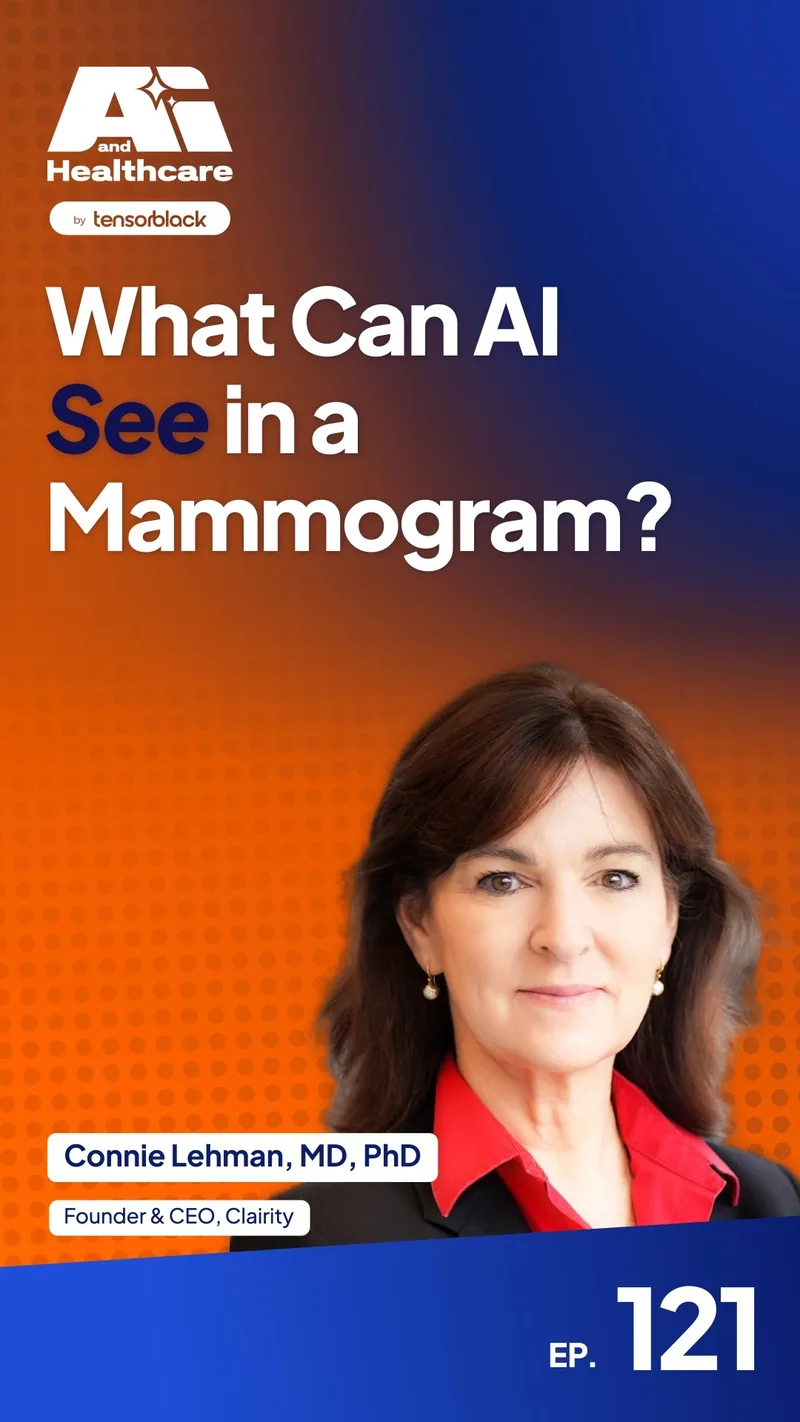
Connie Lehman on her mammography model: "We did not tell the model how to learn"
AI and Healthcare · November 17, 2026Practice operations
Short-form video in which Connie Lehman, MD, PhD, describes the design choice behind her breast-imaging AI: she could have pointed the model at breast density, certain calcifications and body mass index first.
Instead, per the clip, the team let the model find its own features — "We did not tell the model how to learn. We allowed it to learn."
Flagging the thinness honestly: this is a YouTube Short and what we have is the publisher's description, not a transcript. No accuracy numbers, cohort, or comparison to radiologist performance are claimed in it.
Why it matters for an independent practice: It's a one-line prompt for the question to ask any imaging or screening vendor that pitches your practice: were the features hand-specified by clinicians, or learned by the model? The answer changes what validation evidence you should demand before it touches a patient, and it changes how you explain the tool to a patient who asks what the computer is actually looking at.